
Know Whether a Company Can Still Legally Operate Before You Deal With It
Real-Time SSM Status Verification · Official Registry Data · Instant Results
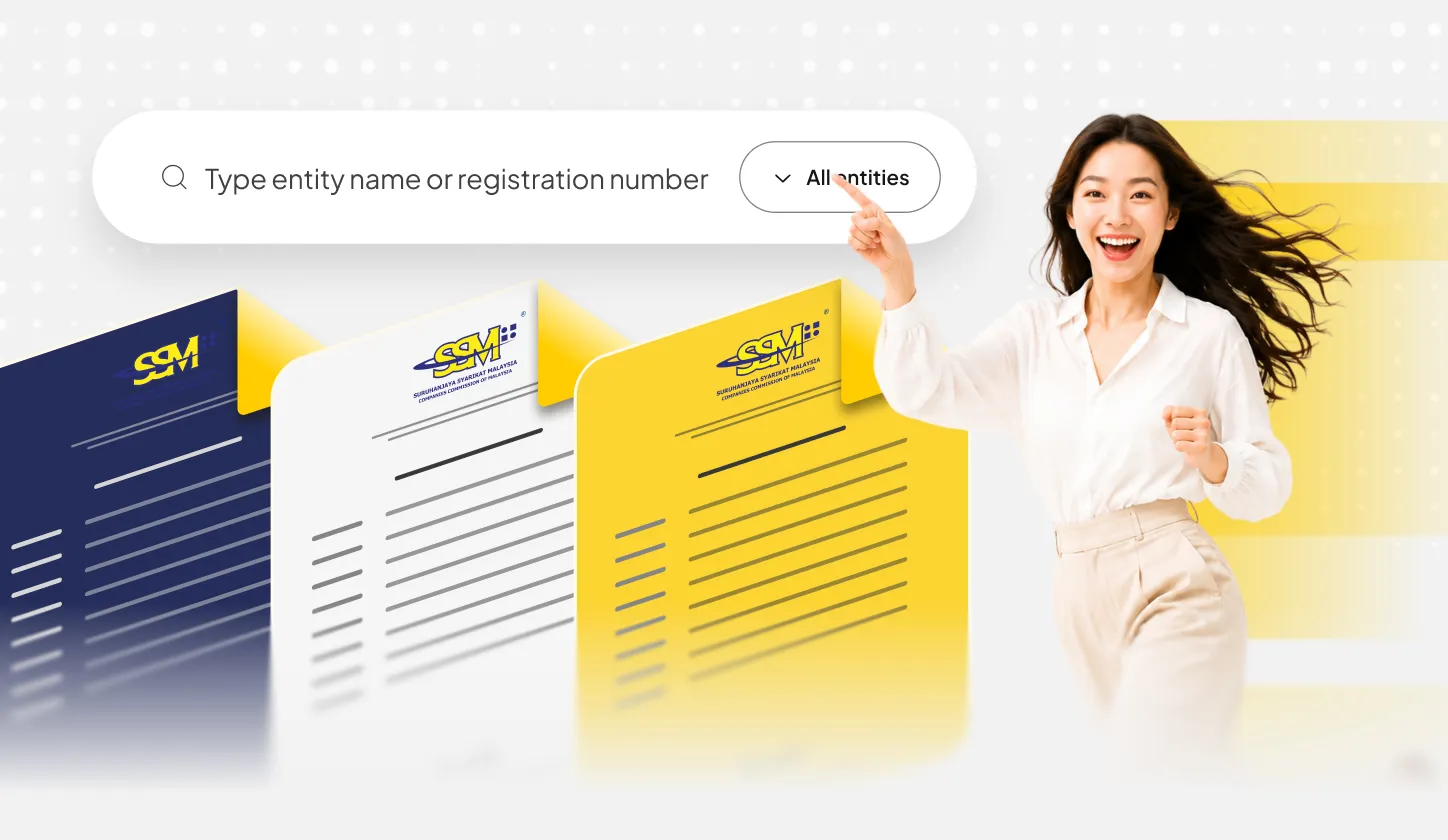
Company status is more than a label – it determines whether an entity can legally enter contracts, hold assets, or conduct business. Before approving a supplier, releasing payment, or filing against a company, check its current status directly from the official Suruhanjaya Syarikat Malaysia registry. Active. Dormant. Struck Off. Wound Up. The answer is seconds away.
 Results in Minutes
What You Get with Our SSM Check Company Status Service
Real-Time Status Indicators
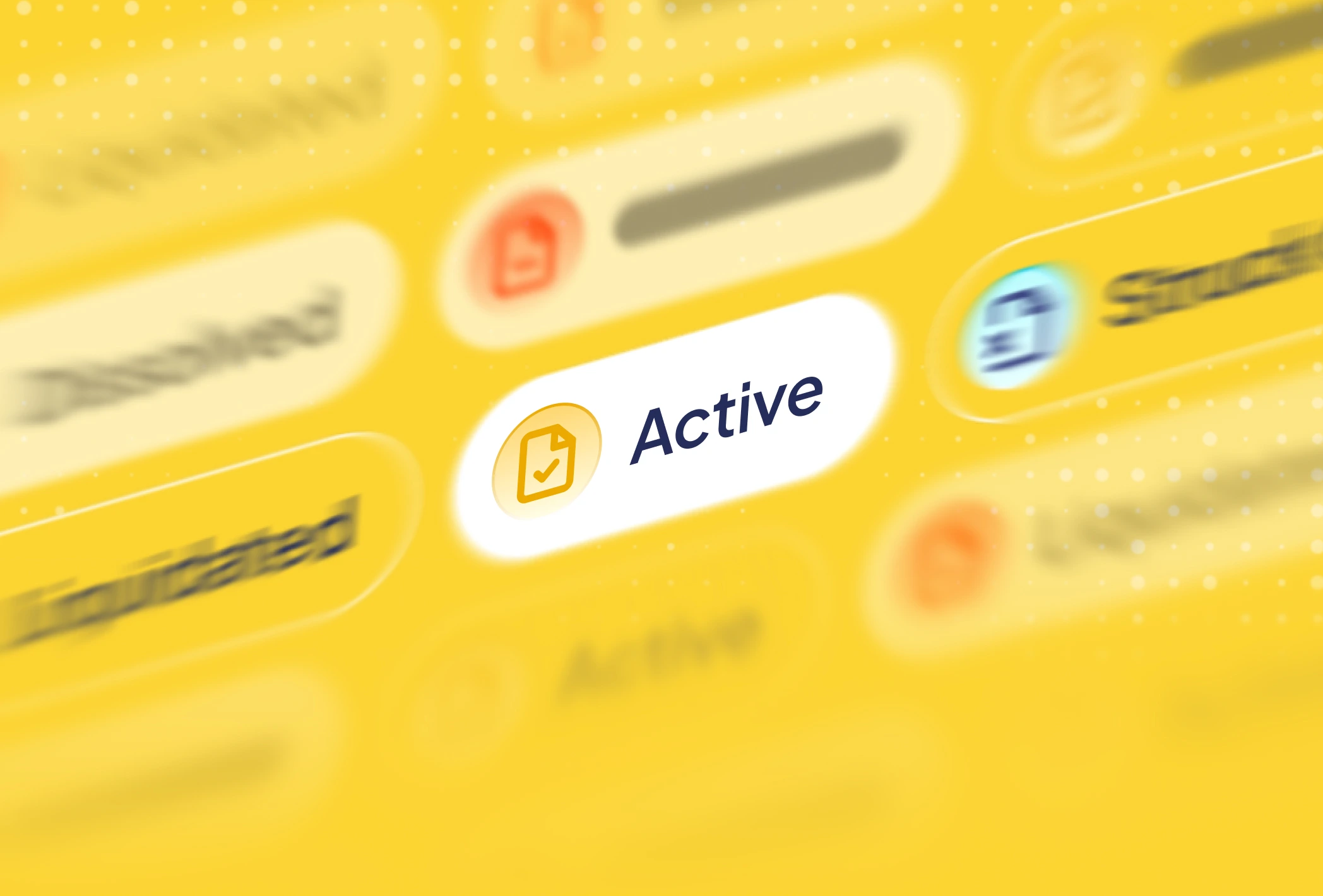
The company's live registration status drawn directly from the SSM registry: Active, Dormant, Struck Off, Wound Up, Under Receivership, or Under Liquidation
Registration Validation
When the current status came into effect. For non-Active statuses, this establishes the timeline, when was the company struck off, or when did winding-up proceedings begin
Company Type Identification
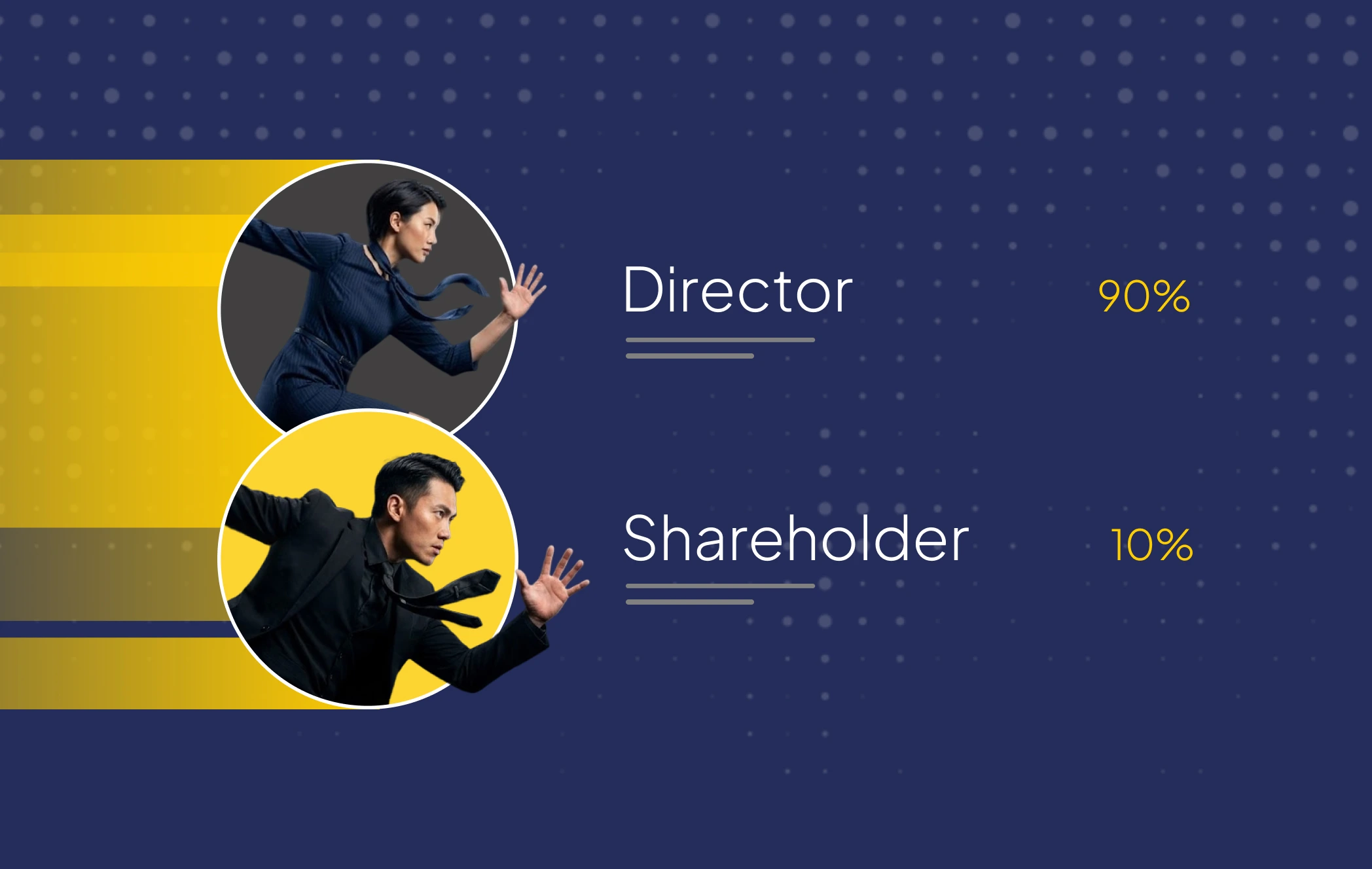
Whether the entity is a Sdn Bhd, Berhad, Sole Proprietorship, LLP, or other registered form. Entity type affects which legal obligations apply and who bears personal liability.

Last Update Timestamp
The date of the most recent annual return. A company with no recent filings is non-compliant, this is a strike-off risk indicator even if the current status still shows Active
Company Status Consequences by Stakeholder
The same company status means different things depending on your relationship with that entity. Here is what each status means across the four most common stakeholder positions:
Active
The company is legally registered and in good standing with SSM.
- If you are a supplier: You can legally contract with this entity and hold it accountable for payment obligations. An Active status does not guarantee financial health combined with a Financial Report for credit assessment.
- If you are a creditor: You can issue demands, file suits, and enforce judgments against this entity. It is a legitimate legal person.
- If you are an employee or contractor: Your employment contract, statutory benefits (EPF, SOCSO), and right to salary are legally enforceable.
- If you are a director or shareholder: The company can legally conduct business, hold assets, and distribute profits. Your personal liability is limited to your capital contribution unless fraud or wrongful trading is established.
Dormant
The company has had no significant accounting transactions in the financial year and has formally declared this to SSM.
- If you are a supplier: Entering a contract with a dormant company is possible but warrants confirmation that the company intends to become active before your transaction completes. Dormancy does not prevent contracting, but an entity with no operations may have difficulty fulfilling its obligations.
- If you are a creditor: You can still enforce obligations against a dormant company. The company legally exists and its directors retain responsibility for existing debts.
- If you are a director or shareholder: A dormant company still has compliance obligations. Annual returns must still be filed. Failure to maintain compliance on a dormant company risks strike-off.
Struck Off
The company has been removed from the SSM register, typically for failure to file annual returns.
- If you are a supplier: Stop all commercial engagement immediately. A struck-off company cannot legally enter contracts. Any agreement signed after the strike-off date is unenforceable against the entity. Payments made to a struck-off company may be difficult to recover.
- If you are a creditor: You can apply to the High Court for reinstatement of the company to pursue your debt. Reinstatement must be applied for within two years of the strike-off date. Outstanding directors may retain personal liability for obligations incurred before strike-off if wrongful trading can be shown.
- If you are an employee: Your employment rights do not disappear with the company. LHDN, EPF, and SOCSO claims may still be pursued through the relevant authorities, and directors may bear personal liability for unpaid statutory contributions.
- If you are a director: You may retain personal liability for company debts if the company was trading while insolvent prior to strike-off, or if statutory contributions were not remitted. Obtain legal advice before taking any action.
Wound Up
The company has undergone a formal liquidation process – either voluntarily or through a court order. Its assets have been realised, debts settled, and the company dissolved.
- If you are a supplier: The company no longer exists as a legal entity. You cannot enforce new claims against a wound-up entity. If you had outstanding invoices at the time of winding up, you should have been notified as a creditor during the liquidation process. If you were not, consult a legal advisor.
- If you are a creditor: Your claim should have been submitted during the liquidation proceedings. If you missed the creditor notification period, consult an insolvency lawyer. The order of priority is: secured creditors, preferential creditors (employees, tax), then unsecured creditors.
- If you are a director: Directors of companies wound up due to insolvency may face personal liability if wrongful trading or fraudulent trading is established. Directors are prohibited from reusing the wound-up company's name for a minimum period.
Under Receivership
A receiver has been appointed typically by a secured creditor – to manage the company's assets and recover the creditor's debt.
- If you are a supplier: The company may continue trading under the receiver's control. Contact the receiver directly to confirm whether existing supply arrangements will continue and whether outstanding invoices will be honoured. The receiver's priority is the appointing creditor's debt, not your invoices.
- If you are a creditor: Your claim ranking depends on whether you are a secured or unsecured creditor. Secured creditors appointed the receiver, they are first in line. Unsecured creditors, including trade suppliers, are paid from whatever assets remain after secured claims.
- If you are an employee: Employee wages and statutory entitlements are preferential claims in receivership, they rank ahead of unsecured creditors but below the secured creditor that appointed the receiver. Contact the receiver to confirm payment of outstanding wages.
Can a Struck-Off Company Be Reinstated?
Reinstatement of a Struck-Off Company – What You Need to Know
If a company you are trying to recover money from, or a company you are a director of, has been struck off, reinstatement through the High Court is possible under specific conditions.
Who Can Apply
A director, member (shareholder), or creditor of the struck-off company can apply for reinstatement. The applicant must have a legitimate interest in the company being restored, typically an outstanding debt, an unresolved legal claim, or unfinished business that could not proceed without the company existing.
Time Limit
An application must be made within two years of the date the company was struck off the register, as provided under Section 555 of the Companies Act 2016. Applications made outside this window are generally not accepted without exceptional circumstances.
What the Court Requires
The applicant must demonstrate that the company was carrying on business at the time of removal, or that it is just and equitable to restore it to the register. The court will typically require outstanding annual returns to be filed and penalties paid as a condition of reinstatement.
Cost and Timeline
Reinstatement involves legal fees for the High Court application, outstanding SSM filing fees, and any penalties imposed. The timeline varies but typically takes several months from application to approval. Engage a company secretary or legal counsel experienced in SSM reinstatement procedures for the most efficient path.
Can I See When a Company's Status Changed?
Historical Status Data – What Is Available
Knowing a company's current status is the first step. For creditors, legal teams, and compliance officers, knowing when a status changed particularly when a company was struck off or when winding-up proceedings began is often equally important.
- Current status with effective date: The date the current status came into force is available through the platform. For struck-off companies, this is the date SSM removed the entity from the register.
- Director and officer history (15 years): The Director Particulars report includes appointment and resignation dates for all directors and officers over a 15-year period. This allows you to establish who was responsible for the company during a specific period.
- Filing history: The last annual return date in the company profile indicates when the company last complied with statutory filing requirements. Absence of filings for two or more years is a standard indicator of pre-strike-off non-compliance.
- For earlier records: If you need to establish the company's status at a specific historical date prior to what is available through the platform, a formal SSM inquiry or an official search at the SSM counter may be required. This is relevant for legal proceedings involving events several years in the past.
Who Runs Company Status Checks – and Why

Credit Controllers and Accounts Receivable Teams
Before extending credit terms to a new corporate customer, confirm their status is Active. Extending credit to a company that is already Struck Off or under a winding-up petition creates an unrecoverable debt from the outset. A 30-second status check is the minimum standard for any credit approval process.

Purchasing and Procurement
Before releasing advance payment or issuing a Purchase Order to a supplier, procurement teams verify that the supplier is Active and not under any insolvency proceedings. A supplier under receivership or in the process of being wound up may not be able to fulfil the contract and advance payments may become unrecoverable.

Legal Counsel
Before filing a writ, issuing a statutory demand, or drafting a contract, legal teams confirm the entity is a legally existing person capable of being sued or bound. A wound-up or struck-off company cannot be a party to legal proceedings, the correct entity name and current status are foundational to any legal document.

Human Resources
When verifying previous employers on a candidate's CV, HR teams sometimes perform a status check to confirm the company the candidate claims to have worked for actually exists and was operating during the period stated. A company that was Struck Off five years ago cannot have employed someone last year.
Credit Controllers and Accounts Receivable Teams
Before extending credit terms to a new corporate customer, confirm their status is Active. Extending credit to a company that is already Struck Off or under a winding-up petition creates an unrecoverable debt from the outset. A 30-second status check is the minimum standard for any credit approval process.
Legal Counsel
Before filing a writ, issuing a statutory demand, or drafting a contract, legal teams confirm the entity is a legally existing person capable of being sued or bound. A wound-up or struck-off company cannot be a party to legal proceedings, the correct entity name and current status are foundational to any legal document.
Purchasing and Procurement
Before releasing advance payment or issuing a Purchase Order to a supplier, procurement teams verify that the supplier is Active and not under any insolvency proceedings. A supplier under receivership or in the process of being wound up may not be able to fulfil the contract and advance payments may become unrecoverable.
Human Resources
When verifying previous employers on a candidate's CV, HR teams sometimes perform a status check to confirm the company the candidate claims to have worked for actually exists and was operating during the period stated. A company that was Struck Off five years ago cannot have employed someone last year.
Get Your SSM Check Company Status
Report Instantly
Make every business decision with the certainty of
real-time legal standing and registration data.
Common Questions About
How to Check Company Status
The main company status types in Malaysia are: Active (currently registered and in good standing), Dormant (no significant transactions, formally declared), Struck Off (removed from the register for non-compliance), Wound Up (formally dissolved through liquidation), Under Receivership (assets under receiver's control for creditor recovery), and Under Liquidation (in the process of being wound up).
A company that has been Struck Off has been removed from the SSM register, typically for failing to file annual returns. It no longer legally exists and cannot enter contracts, hold assets, or conduct business. Directors may retain personal liability for obligations incurred before removal. Do not deal commercially with a struck-off entity.
Struck Off is an administrative removal for non-compliance: no formal process, no asset distribution. Wound Up is a formal dissolution following a liquidation process in which assets were realised and debts were settled in priority order. Both result in the company ceasing to legally exist, but winding up involves a structured process that striking off does not.
Yes, within two years of the strike-off date, a director, member, or creditor can apply to the High Court for reinstatement under Section 555 of the Companies Act 2016. The applicant must demonstrate the company was trading at the time of removal or that reinstatement is just and equitable. Outstanding fees and annual return filings are typically required.
A company under receivership has had a receiver appointed, typically by a secured creditor, to manage and realise its assets. Trade suppliers (unsecured creditors) rank below the secured creditor that appointed the receiver. You should contact the receiver to confirm whether outstanding invoices will be paid and in what timeframe.
No. Striking off a company does not extinguish its debts or obligations. Creditors can apply for reinstatement to pursue recovery. Directors who allowed the company to trade while insolvent or who failed to remit statutory contributions before strike-off may face personal liability. Outstanding tax debts to LHDN remain enforceable.
Yes. Status changes: voluntary striking off, court orders for winding up, receivership appointments, reinstatement approvals are reflected on SSM Search as soon as SSM processes the relevant filing or order through the API connection. The status you see reflects today's official registry record.
A dormant company has had no significant accounting transactions during a financial year and has formally declared this to SSM. It still legally exists, must file compliance documents, and can be reactivated at any time. Dormancy is a deliberate declaration, it is not the same as a company that has simply stopped operating without notifying SSM.
Yes. A company can show as Active in the registry while being behind on annual return filings, late on statutory payment obligations, or in arrears on tax. Active status means the company has not yet been struck off, it does not confirm current filing compliance. Check the last filing date in addition to the status.
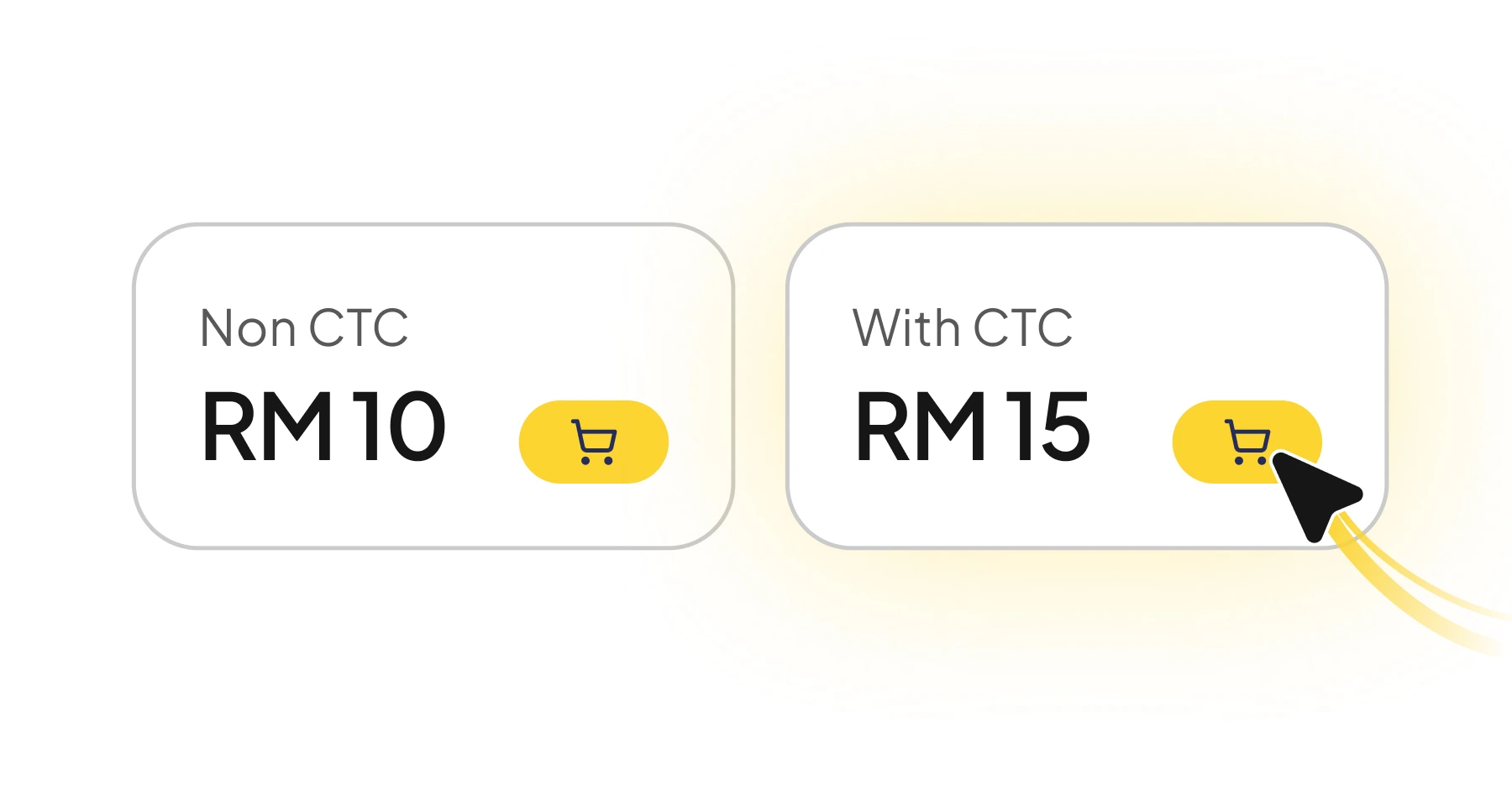
Yes. A Certified True Copy (CTC) of the Company Profile includes the current status and is accepted by banks, courts, government agencies, and compliance officers as an official status document. The CTC format carries a digital certification stamp and is legally admissible.
Guide: How to SSM
Check Company Status
4 Easy Steps to Verification
01
Search Entity
Enter the company name or registration number in the search bar.
02
Select Entity
Locate the specific business from our real-time results list.
03
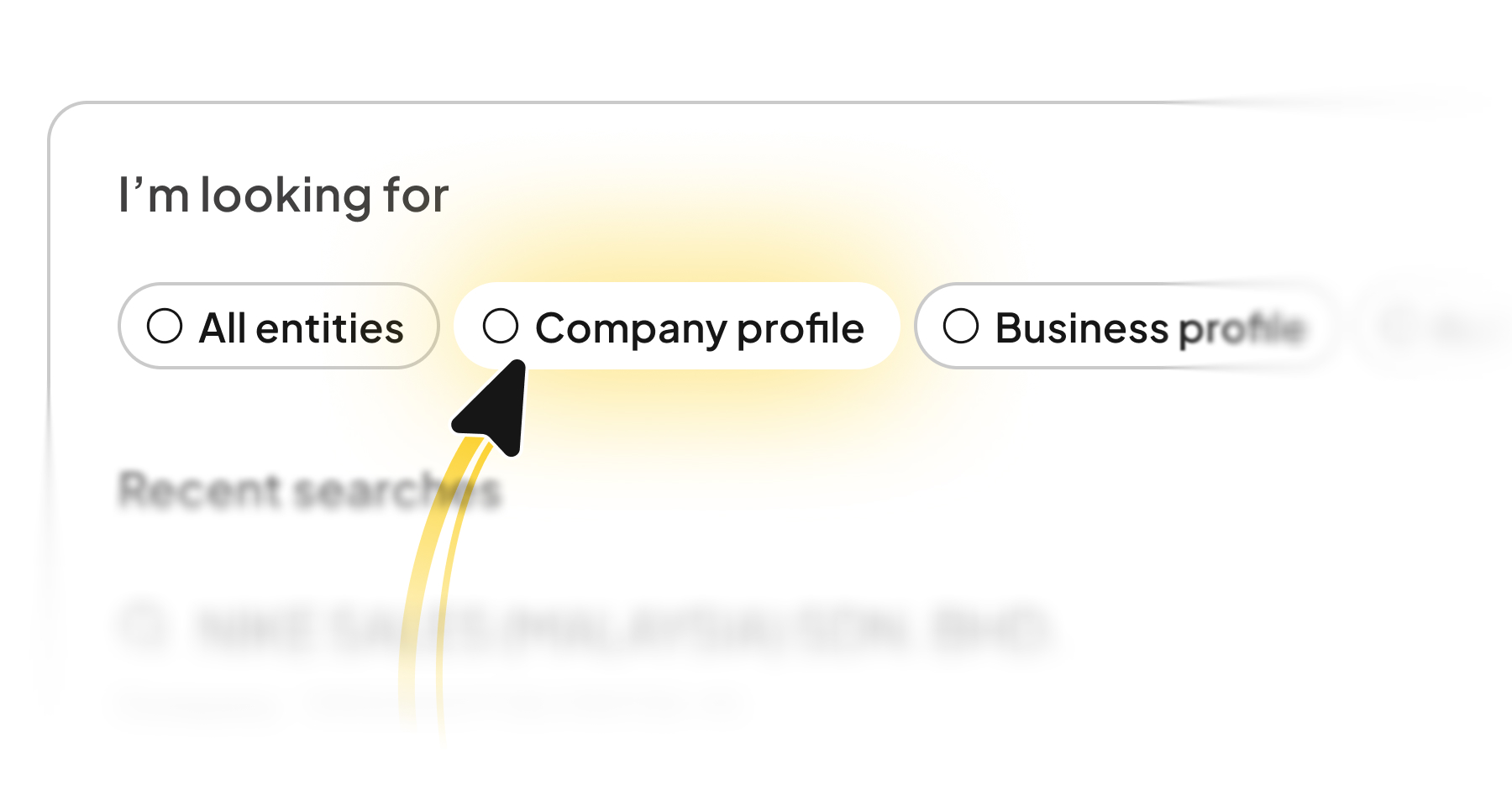
Request Status
Choose the "Company Profile" option to see the detailed status and compliance history.
04
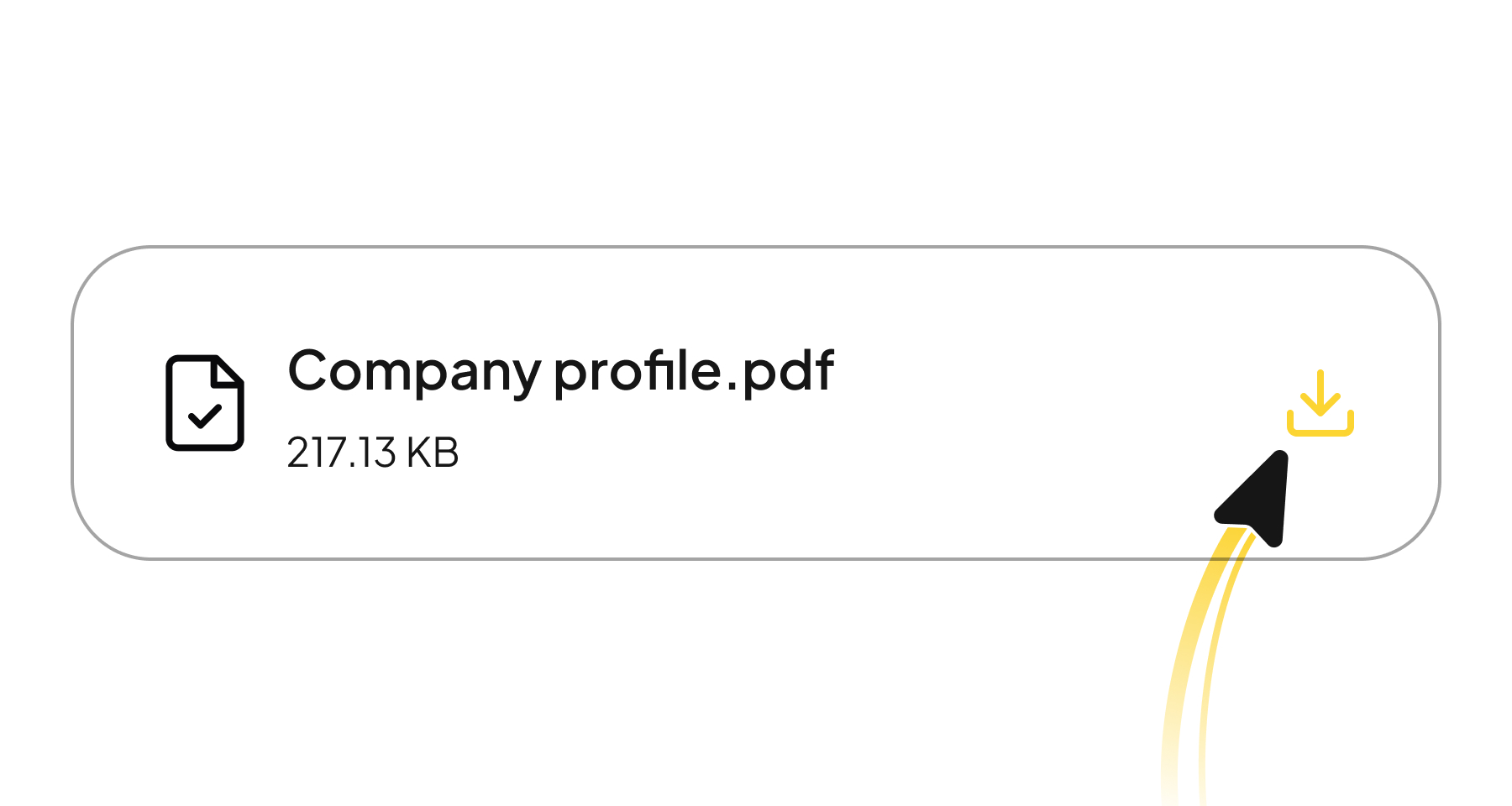
Instant Download
Securely pay and download your PDF report showing the official status.
Need more context beyond the status?
- Full Company Profile: Director list, shareholder structure, and registered details for the complete picture.
- Director Search: Identify the directors responsible during the period of non-compliance.
- Financial Report: Review the last filed financial statements to understand the company's financial position before the status change.


Your Reliable Gateway for
SSM Status Verification
Our portal is dedicated to providing transparency and security for the Malaysian business community. By specializing in the SSM check company status process, we help professionals navigate corporate risks and maintain compliance.
Whether you are a legal expert or a business owner, our platform offers the speed and accuracy required for modern due diligence. With cost-effective options like our Pro and Pro Plus Plan and S-Point rewards for subscribed users, we are the preferred partner for official business intelligence in Malaysia.
CERTIFIED BY
© RESERVED (C) INFOMINA BERHAD 2026. Version 4.2.6 Build 20260911000753